
Case Studies
Non-Toxic Locust Swarm Control Solution
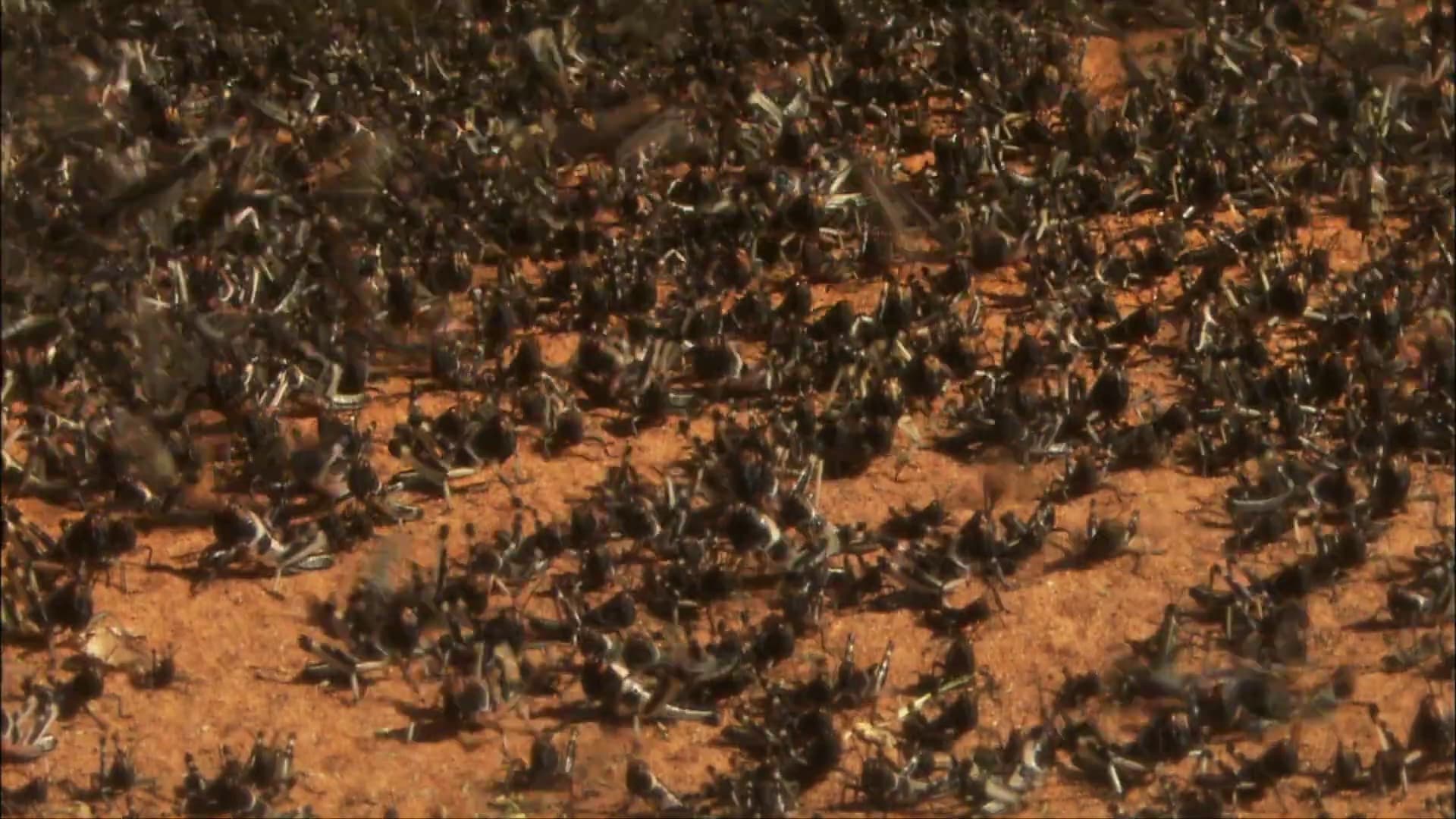
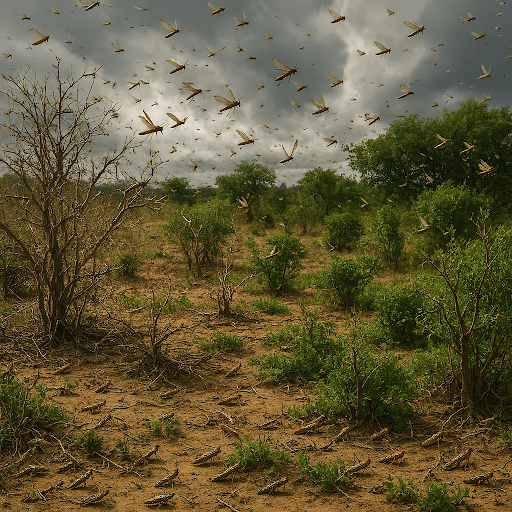
Environmental changes trigger locusts to form large swarms, causing significant agricultural damage.
Understanding locust life cycle stages aids in predicting and managing population outbreaks effectively.
Locust movement patterns inform targeted control measures to mitigate swarm impact.
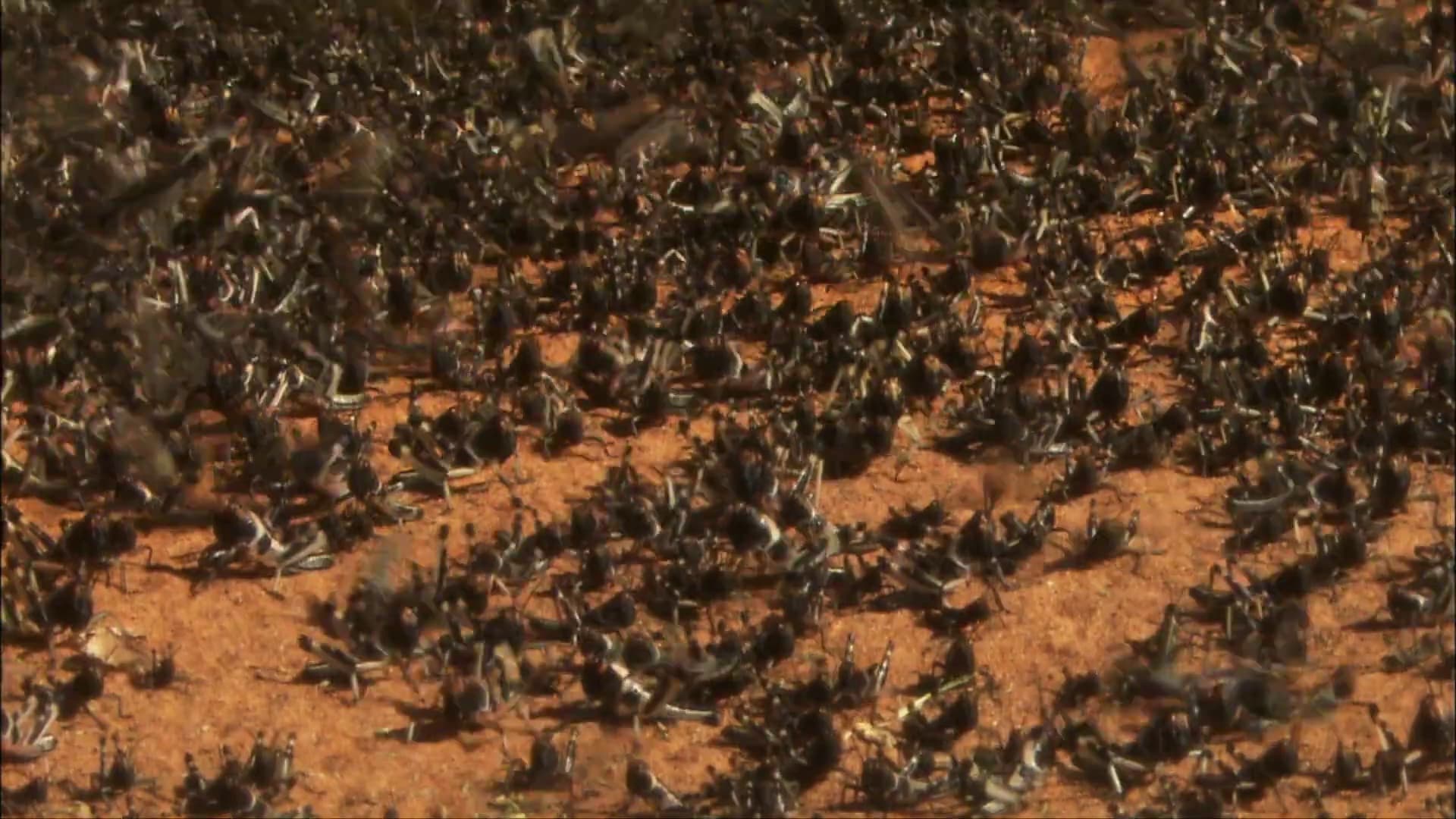
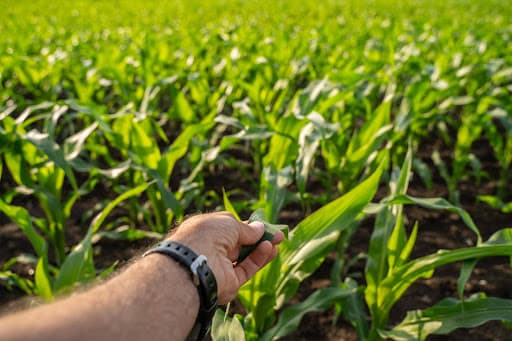
Nymph (Hopper) Bands: Nymphs (wingless hoppers) move in dense marching bands across fields and pastures, biting and crushing seedlings and young plants. Hoppers often cause concentrated damage close to breeding sites and can devastate nurseries and newly planted fields. ( Wikipedia)
Indirect and Cascading Effects – Reduced Plant Recovery: Even if some plants survive, defoliation reduces photosynthesis, leading to lower yields and poorer grain filling. Perennial crops and young trees can be weakened or killed after repeated defoliations.
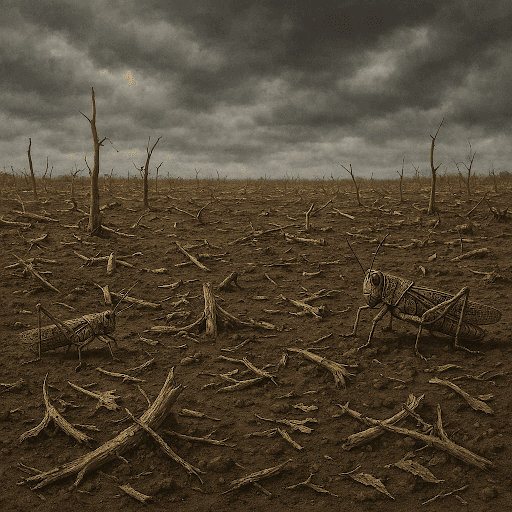
Soil Exposure and Erosion: Large-scale removal of vegetation exposes soil to erosion, affecting subsequent seasons' productivity.
Pest–Disease Synergy: Damaged plants are more susceptible to diseases and secondary pests, compounding losses.
Livestock Impacts: Loss of pasture and fodder forces destocking or purchase of feed at higher cost, reducing herd productivity and incomes.

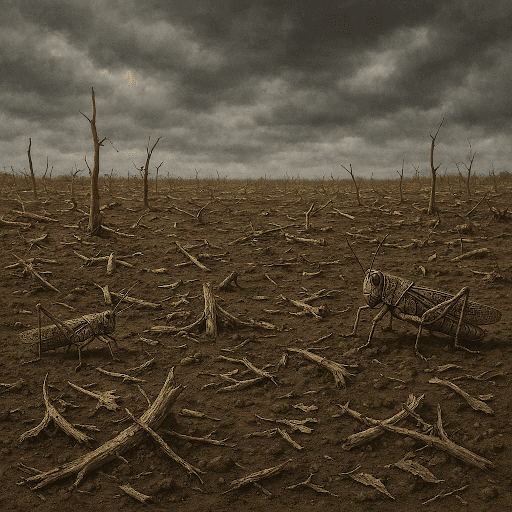
Crop Failure: Crop loss is common in fields hit by dense swarms, including cereals (maize, wheat, sorghum), pulses, vegetables, and horticultural crops. Young crops and planted nurseries are especially vulnerable.
Pasture Loss: Large areas of pasture can be stripped, undermining livestock production and causing cascading nutritional impacts.
Pasture Loss: Reduced supply raises food prices locally and regionally, hitting the poorest consumers hardest. The World Bank and FAO have documented multi-billion-dollar impacts for major outbreaks. Huge losses occurred in the 2019–2021 East Africa and South-West Asia locust upsurge.(World Bank)
Farmer Financial Loss: Locust swarms destroy crops, leading to major financial losses for farmers and threatening local economies.
Costs of Control: Rapid response requires aerial and ground pesticide operations, surveillance, and logistics. These responses are expensive and often beyond smallholder capability, requiring international assistance.
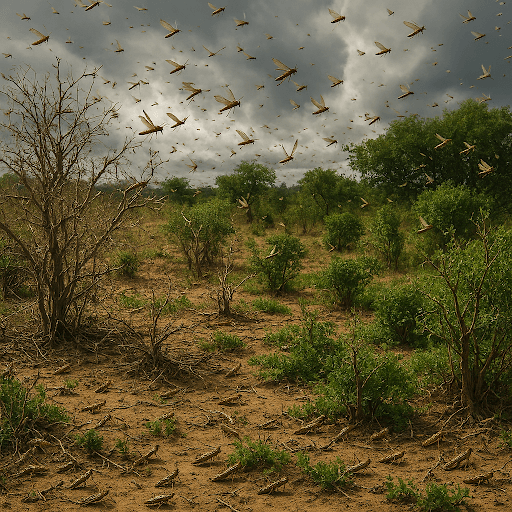
In major upsurges, FAO warned millions of people could be at risk of food insecurity due to combined crop and pasture losses and pre-existing vulnerabilities such as drought and conflict.
Loss of staple crops and fodder directly reduces food availability, incomes, and the coping capacity of affected communities.(Axios)
Repeated defoliation affects biodiversity, pollination services, and soil health, creating longer-term ecological disturbances.
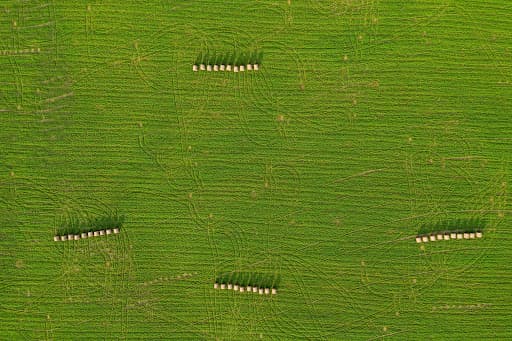
Chemical pesticides can harm ecosystems and pose serious health risks to humans and wildlife.
Pests often develop resistance to pesticides, reducing long-term effectiveness.
Pesticides can harm non-target species, disrupting ecological balance and biodiversity.
Large-scale pesticide application faces logistical difficulties and can be costly and inefficient.

Field-Level Protection: For smallholders, traditional methods such as night fires, smoke, and noise are of limited effectiveness against large swarms. More practical actions include rapid harvesting where feasible, shifting grazing patterns, and moving livestock to unaffected fodder reserves.
Post-Impact Support: Seed and fertilizer distribution, livestock feed support, cash transfers, and market stabilization programs help households recover after locust outbreaks. Strengthening farmer cooperatives and livestock management systems also reduces vulnerability.
People involved in ground spraying often lack:
Proper masks and gloves
Protective suits
Training on safe chemical handling
This can lead to:
Respiratory irritation
Skin burns
Eye damage
Chronic effects from repeated exposure to organophosphate or pyrethrin chemicals
When spraying occurs near villages or farms:
Chemicals may drift into homes
Water storage containers can become contaminated
Children and elderly people may be exposed
During the major locust upsurge in East Africa (2019–2021), countries including Kenya deployed large-scale pesticide spraying using chemicals such as deltamethrin, fenitrothion, chlorpyrifos, and malathion. (Mongabay News)
Reports indicate that these chemicals are moderately to highly hazardous to humans, livestock, and wildlife.(Earth.Org)
In some areas of northern Kenya, spraying was reportedly carried out by non-trained personnel, sometimes at dangerously high application rates. An internal 2020 report indicated spraying at 34 liters per hectare — far above the recommended ~1 L/ha.(Al Jazeera)
Immediate environmental impacts were observed. Local beekeepers reported massive die-offs of honeybees and collapse of hives. Studies estimated that billions of honeybees disappeared or abandoned hives during the 2019–2021 outbreak.(Mongabay News)
A 2024 report described this as a “toxic legacy,” where communities continue to experience livestock losses, contaminated grazing areas, and environmental degradation.(Al Jazeera)
Ethiopia also sprayed millions of hectares using insecticides such as malathion and chlorpyrifos.(Mongabay News)
Research suggests these sprays contributed to a massive collapse of bee populations. Such losses have severe impacts on:
Beekeeping livelihoods
Pollination services
Biodiversity
Loss of pollinators also affects fruit, vegetable, and seed crop yields beyond the immediate locust crisis.
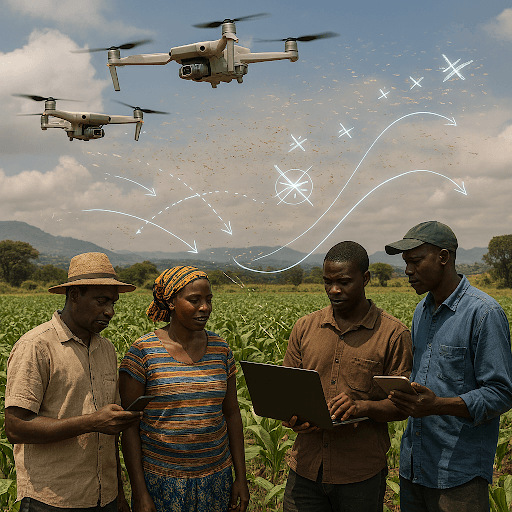
Non-toxic control methods reduce environmental pollution and protect soil, air, and water quality.
These methods help preserve pollinators and beneficial insects essential for agriculture.
Non-toxic approaches maintain healthy soil ecosystems and water systems.
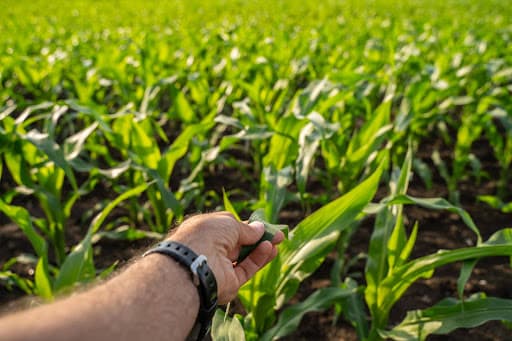
Reducing pesticide use protects farmers and communities from chemical exposure.
Lower chemical contamination protects livestock and maintains safe grazing environments.
Safer control methods help preserve crop quality and promote sustainable agricultural productivity.

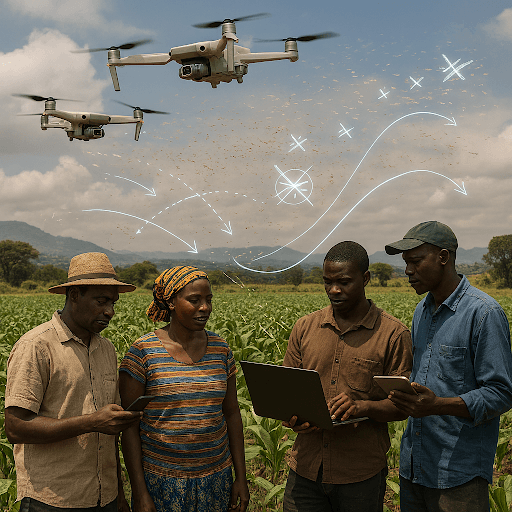
AI systems analyze weather patterns, vegetation data, and environmental conditions to identify areas favorable for locust breeding.
Machine learning models forecast swarm trajectories based on historical swarm movements and environmental factors.
Early detection systems allow governments and farmers to respond before swarms reach agricultural areas.
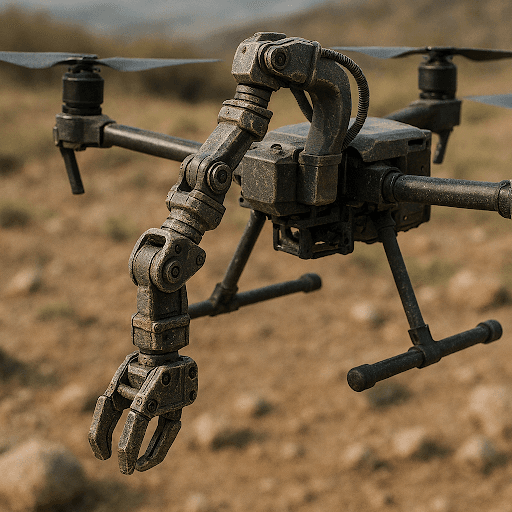
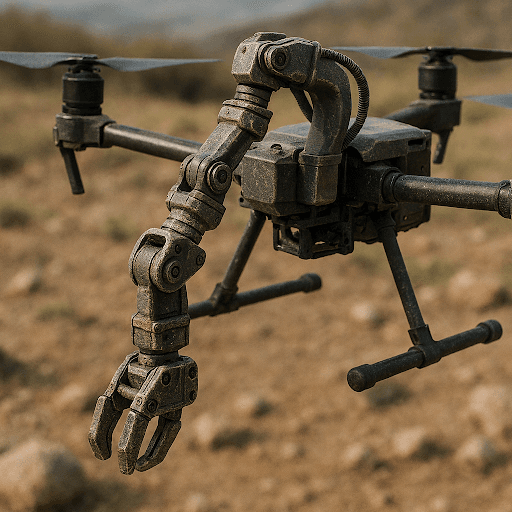
Robots can deploy deterrents or barriers without direct human intervention.
Robotic systems can operate in difficult terrain where human access is limited.
Automation reduces labor requirements and limits human exposure to hazardous environments.
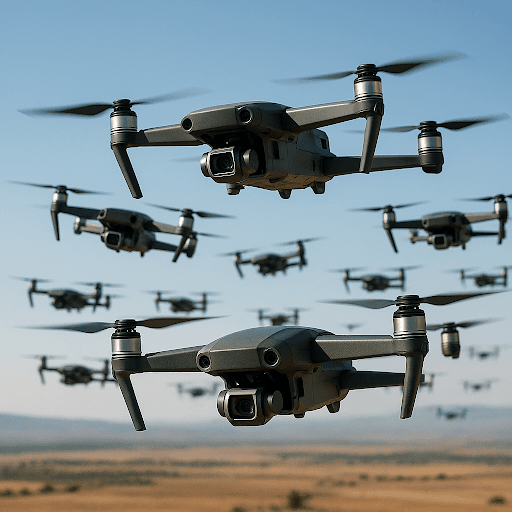
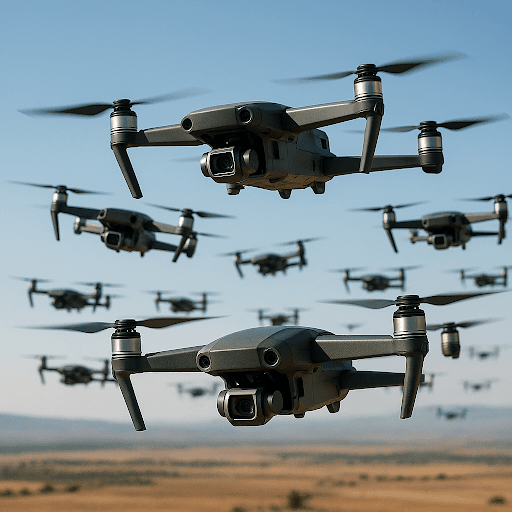
Drones provide wide-area aerial monitoring of agricultural regions.
They track swarm movements in real time.
Drones can deploy safe deterrents or monitoring equipment without harmful chemicals.
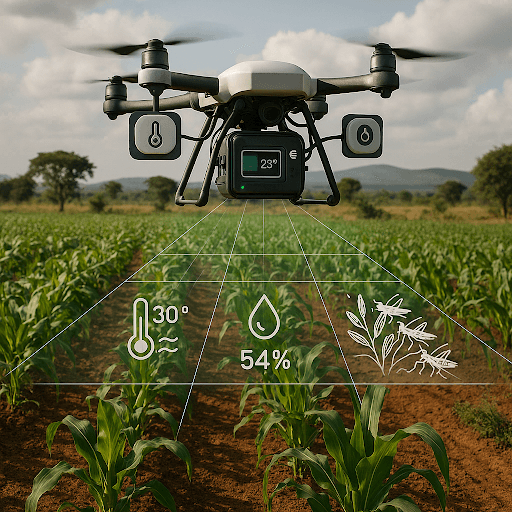
Edge devices process data directly in the field, reducing reliance on remote servers.
Local processing reduces delays and enables rapid responses.
Edge-based AI allows immediate detection and intervention even in remote agricultural areas.