Edge Devices & AI For Good
INTELLIGENT, NON-TOXIC PEST CONTROL AT REGIONAL SCALE
REPLACING CHEMICAL PESTICIDES WITH AI-DRIVEN PRECISION PROTECTION
ROBOTICS & SYSTEMS: EXECUTE PRECISE, NON-TOXIC INTERVENTION.
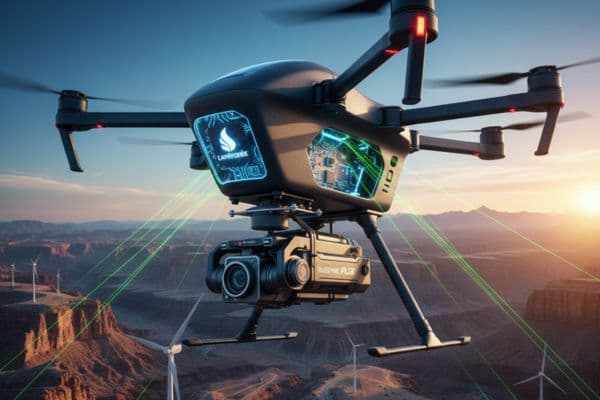
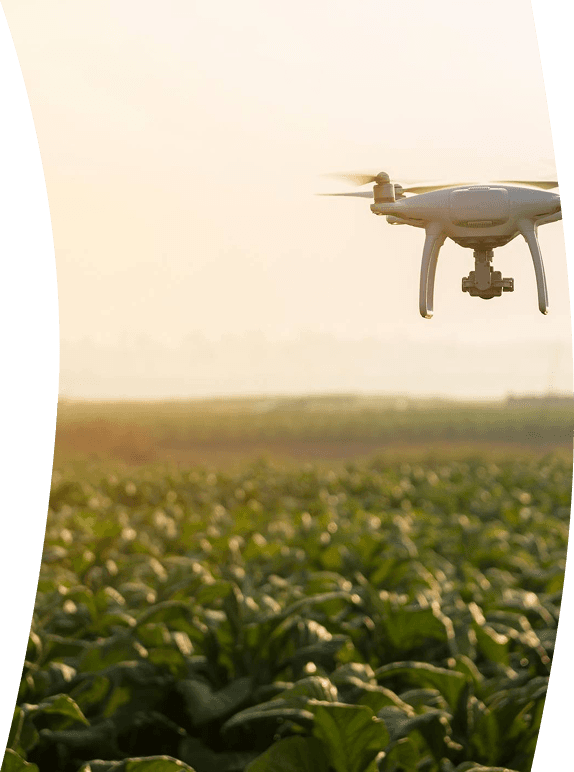
UNMANNED AERIAL VEHICLES – DRONE

SENSORS: SEE, LISTEN, AND MEASURE BIOLOGICAL & ENVIRONMENTAL SIGNALS
EDGE DEVICE: PROCESS DATA LOCALLY IN REAL TIME
ARTIFICIAL INTELLIGENCE: DETECT, PREDICT, AND DECIDE AUTONOMOUSLY
Let us solve your problems on the Edge together.
Edge AI
The Challenge
Traditional ControlBreaks in the Field
Natural disasters spread rapidly across vast semi-arid terrain when decisions depend on distant systems.
Edge AI is processing information close to the edge — the physical location where things and people connect with the networked digital world. It integrates AI, Computer vision, Unmanned Aerial Vehicles (drones), robotics, sensors, and forecasting. It is an approach to mitigate natural constraints such as minimal connectivity, limited power, and remote environments.
Most natural disasters often spread rapidly across vast semi-arid terrains. Traditional control relies on:
Late human observation
Manual spraying or satellite-based alerts
Poor coordination due to lack of connectivity
Advantage of The Edge AI
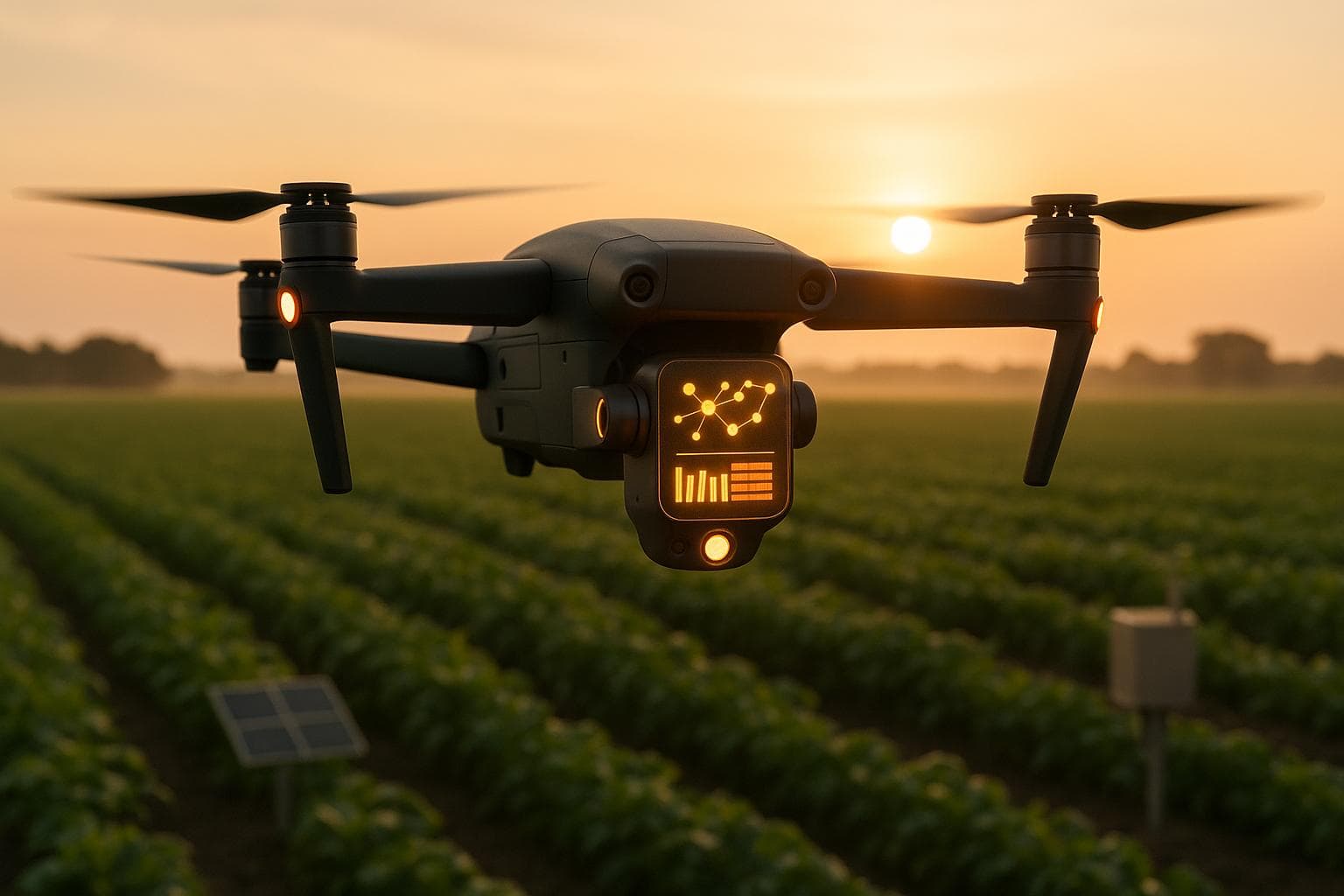
Edge AI means running AI models locally on embedded or mobile devices, rather than relying on the cloud.
This is crucial in low-connectivity regions because:
Decisions can be made immediately at the source
No dependency on internet or high-bandwidth links
Latency-free response for aerial/robotic control
Energy-efficient and privacy-resilient (no big data uploads)
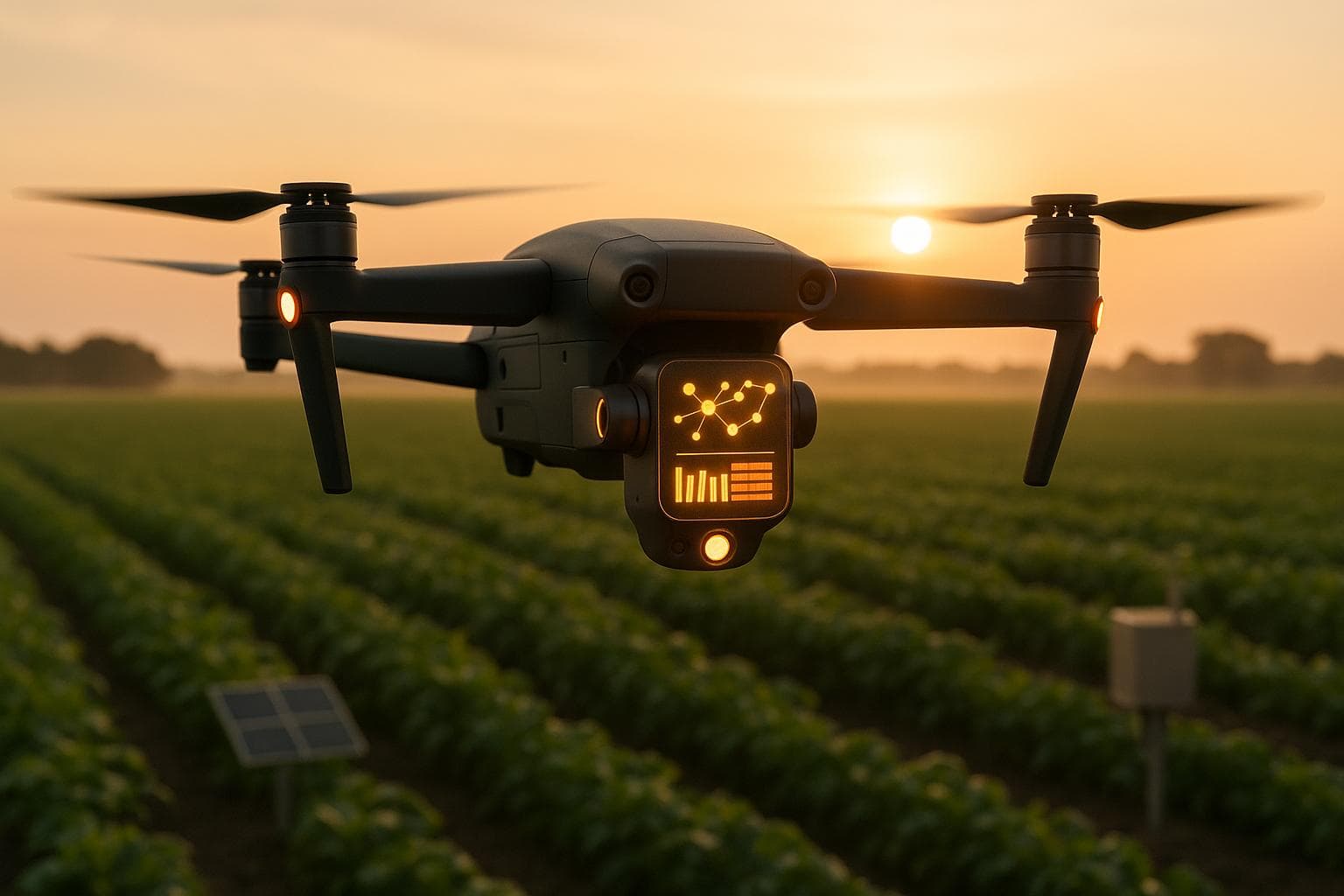
Edge AI = Real-time eyes and brains in the field
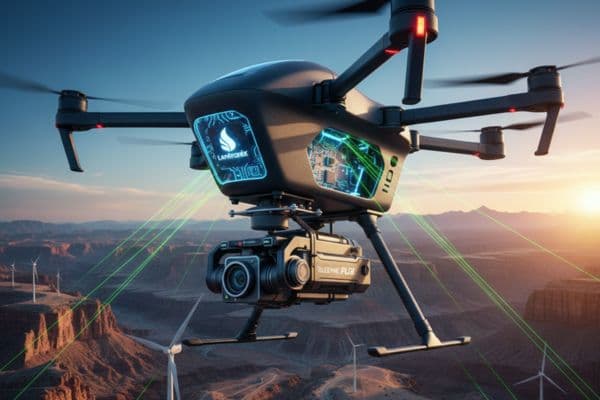
Whether mounted on aerial drones, ground rovers, fixed IoT posts, or handhelds, Edge AI enables:
Autonomous detection
Local decision-making
Scalable coverage with minimal infrastructure
This decentralized intelligence model is exactly what real life natural challenges need — agile, resilient, and field-adapted
There are multiple deployment modalities — Each customized to specific needs:
Aerial (Drones / UAVs / AUVs): Early detection, assessment, and precision intervention.
Terrestrial / Ground Robots: Patrol high-risk zones or monitor conditions to determine appropriate intervention.
Embedded IoT Stations (Solar-Powered Edge Nodes): Long-term autonomous monitoring and intervention.
Handheld or Mobile Devices: Empowering field workers and impacted communities.